| | ||||||||||||||||||||||||||||||||||||||||||||||||||||||||||||||||||
| ||||||||||||||||||||||||||||||||||||||||||||||||||||||||||||||||||

Get In Touch With A Low Wage Teleporter
Tuesday, June 29, 2021
Shipping Capacity Continues To Lag Behind Demand




Aussie Home Brewer
Aussie Home Brewer |
| Unsure newbie needing guidance: Kegland Helles Fire Munich Larger Posted: 29 Jun 2021 04:08 AM PDT G'day, all! I've yesterday taken my first tentative steps into the world of brewing with this kit from Kegland: Extract - Helles Fire Munich Lager - Recipe Kit Being an insufferable nerd and never satisfied with following the instructions, I've put a few twists on the instructions:
Unsure newbie needing guidance: Kegland Helles Fire Munich Larger |
| Posted: 29 Jun 2021 01:17 AM PDT Hi all, some time ago I started collecting bits for a 3V brewery to upgrade from BIAB. Not long after I started I pretty much gave up brewing. The 3V system is never going to happen and its taking up space so its time it went to a home that can use it. I have a welded steel brew stand on castors. On the left is a gas fired kettle, center is a mash tun and lifted up on the right is a gas fired HLT. The two burners have heat shield to suit keggles, igniters and electric gas valves. Its all... Incomplete 3V bewery for sale |
| You are subscribed to email updates from Australia & New Zealand Homebrewing Forum. To stop receiving these emails, you may unsubscribe now. | Email delivery powered by Google |
| Google, 1600 Amphitheatre Parkway, Mountain View, CA 94043, United States | |
Wine Enthusiast
Wine Enthusiast |
| It’s Nearly Impossible to Get Canadian Wine in the U.S. Here’s Why. Posted: 29 Jun 2021 04:30 AM PDT  Ryan Totman was pretty certain that an orange wine made from La Crescent grapes would catch the eye of connoisseurs at Corkbuzz in New York City. But two years later, he still had a few bottles of Pinard & Filles Frangine, a natural wine from Canada. "It offers exploration, but we know it wouldn't be something that people flocked to on their own," says Totman, beverage director, Corkbuzz. "It just sits there." When wine geeks recount the most rare and unusual bottles they've ever had, Slovenian Pinela or Croatian Xynisteri may come up. But few think about Canadian wines. Besides the Inniskillin Icewine, a dessert pour that put the Canadian wine industry on the map in the 1990s, the country's wines are nearly nonexistent to most American wine drinkers.
Wineries, importers, trade reps and sommeliers claim 99 reasons why it's hard to find Canadian wine in the U.S., but quality isn't one of them. Now that most producers focus on varietal wines like Pinot Noir, Cabernet Franc, Chardonnay and Riesling, "the wines are so good," says Canadian Master Sommelier Jennifer Huether. "It's coming out of a cottage industry, and it is making it beyond icewine."  She and John Szabo, another Canadian Master Sommelier, were thrilled when the Court of Master Sommeliers asked them to present a Spring 2020 class on the country's wines to advanced candidates. "It signifies that we're getting on the map internationally," says Huether. 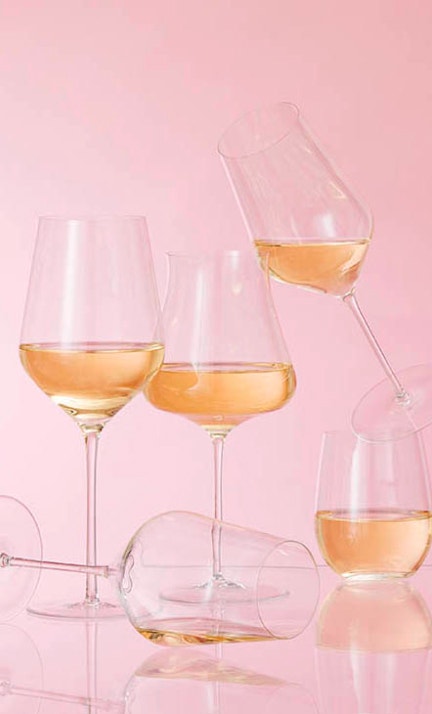  That elation turned to frustration when they sought distributors to get the wines to Texas. They had a hard time importing the nine wines for their seminar, and the needed approvals were going to take several months. The scarcity of Canadian wines in the U.S. comes down to supply and demand. Even Canada's premier wine provinces, Ontario and British Columbia, produce relatively small amounts of wine. Ontario, Canada's largest wine-producing region, has about 17,000 acres planted to cool-climate varieties. Magdalena Kaiser of the Wine Marketing Association of Ontario says the region exports only 5% of its production. In British Columbia, Okanagan, known for its bolder red wines, has 11,000 acres under vine. Just 3% of its production is exported, says Laura Kittmer of Wine Growers British Columbia. Of those exports, 18% go to the U.S. By contrast, grapevines cover 44,000 acres in Napa Valley, 62,000 acres in Sonoma County, and 103,000 acres in Lodi. Most Canadian wine is snapped up in the region where it's produced, says Randy Dufour, vice president of exports for Arterra Wines Canada. 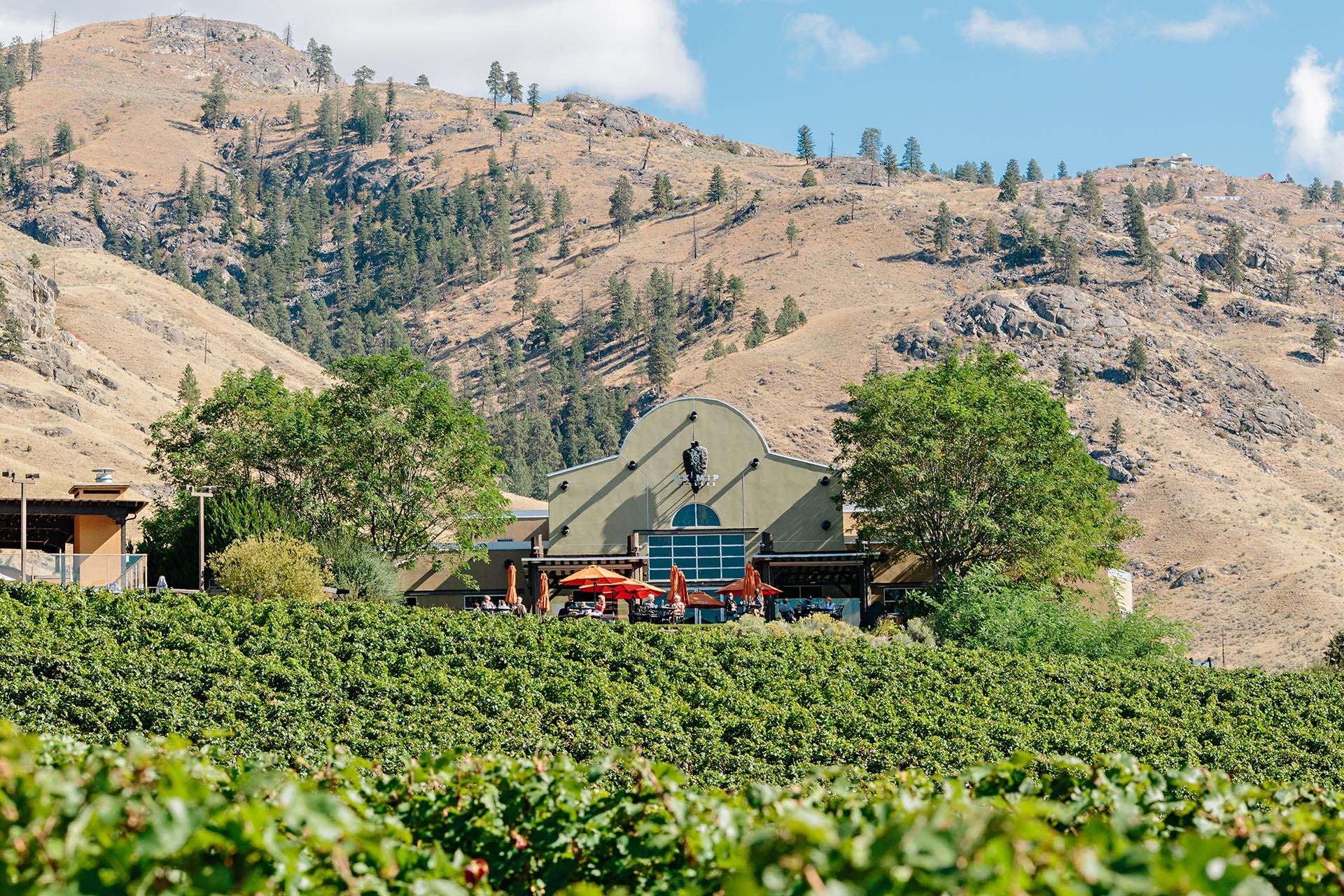 Even in Ontario, it's hard to find hot bottles produced by Nk' Mip Cellars, the first Indigenous-owned and operated wine brand in North America, or Le Clos Jordanne, which makes about 2,500 cases of Burgundian Pinot Noir and Chardonnay per year. Production costs are high in Canada, which are passed on to consumers. That puts Canadian wines in competition with premium bottlings from more established regions like New Zealand. "The U.S. is just a very competitive market, and the California wine industry is no slouch," says Paul Speck, who owns Henry of Pelham in St. Catharines, Ontario, with his brothers. Speck says his family produces about 175,000 cases of wine per year and exports quite a bit of that to the UK, Denmark and Belgium. They only send up to 4,000 cases to America each year. Still, the U.S. market matters. "You need to have a major wine-drinking country recognizing the quality of your wine, even if you don't sell that much in them," says Speck. Dufour agrees that America is the place to build brand equity, despite the unfavorable exchange rate. Canadian brands spend 20% more to market their wines in the U.S. "Celine Dion, Michael Bublé, even these comedians, until they've made it big in the U.S., we don't appreciate them," says Dufour. "If you can make it in New York, you can make it anywhere. It's the international success that makes it more attractive in Canada."  It can be difficult for smaller wineries to attract American importers and distributors. Dave Esber, a wine and beer importer based in Ohio, says that blanc de blancs by 13th Street Winery, red blends by Megalomaniac, and icewine by Donald Ziraldo, a godfather of the Ontario wine industry, have been good for his portfolio. "The wines are high-quality and the growing conditions are excellent," says Esber. "Ignorance has been the problem." Ziraldo, who created Inniskillin's famous icewine along with Karl Kaiser, says when he was invited to pour at the James Beard House's 150th anniversary celebration in New York City, he had to smuggle his wine into the U.S. So he was happy when Esber approached him. He says Canadian icewine created an entry for the country's wineries. "Psychologically, the Americans get it," says Ziraldo. "Ice comes from Canada, and [so do] hockey and Wayne Gretzky."
Inniskillin earned international fame when it won the Grand Prix d’Honneur at the 1991 Vinexpo in France, but it became a moneymaker when it was featured in the LVMH-owned DFS Group duty-free shops. Japanese travelers started to request icewine, so the shops continued to order it. Now, Canadian wine producers need to build demand. Still, Canadian wines pop up in unexpected places, like Heinen's, a family-owned grocery chain with 23 stores in Ohio and Illinois. Ed Thompkins, its director of wine and beer events, says customers trek regularly to wineries in Niagara, a three-hour drive from Cleveland. He's excited about the exclusive rosé blend of Pinot Noir, Gamay, Riesling and Pinot Gris that Henry of Pelham created for Mother's Day. "The wines are excellent," says Thompkins. "They're amazing values, given the exchange rate. The exchange has been around 30%. That’s like getting a California wine for wholesale." |
| What Does ‘Bitter’ Mean in Wine? Posted: 29 Jun 2021 04:00 AM PDT  One of the five basic taste profiles, bitter is defined as being sharp, unsweet and pungent. But what about bitterness in wine? What does it mean for wine to be bitter, and could it be a good thing? First, some brief science. Studies show that humans have several bitter taste receptors in our tastebuds, distributed over our tongues and palate. In nature, bitterness has often signaled that something is wrong with what we're consuming, and is commonly found in poisonous or nondigestible plants. As a result, we're often less likely to enjoy intense bitter flavors. Several other compounds in food are known to have a bitter flavor, like caffeine, and phenols and flavonoids found in things like coffee, arugula and cocoa powder. We don't all process bitterness the same way. It depends on our taste receptors and psychological associations with a particular food or drink. Bitter flavors are known to stimulate the appetite and prepare the digestive tract, which is why an aperitif is such a popular pre-dinner sip. Often, when people detect bitterness in wine, they are actually reacting to its tannic structure. "When I think of tannic wines that are sort of bitter, I think of newer Bordeaux, for example," says Sarah Goler, co-owner of natural wine bar Tannat in New York City. Tannins are polyphenols found in plants, like in the skin, stems and seeds of grapes. Red wine is more likely to have higher tannins and to taste bitter. Goler says that tannins create a drying sensation in our mouths when they interact with taste receptors, which causes a bitter sensation. Wines that aren't floral or fruity have more pronounced bitter notes, which can make them taste harsher. As a wine gets older, its tannins tend to break down due to oxidation or other chemical reactions. This can tone down its bitterness. But, a high-tannin wine isn't necessarily a bad thing. Goler has noticed that orange wine, which tends to taste bitter in comparison to other wines made from white grapes, has been popular at Tannat's market. "Those are wines that have skin contact, so they've been aged on the skins and seeds, which are the same parts of the grape that you get tannins from in red wine," she says. The other reason that we might perceive wine to be bitter is unripe fruit, says Paula De Pano, beverage and service director of Fearrington House Inn in Pittsboro, North Carolina. This doesn't mean that the grapes used for the wine were actually unripe. They were likely grown in cooler climates, "so they don't achieve the same type of brightness as something coming from California or in hotter parts of Australia," says De Pano. Examples include Sancerre, Pinot Grigio from Alto Adige, and Austrian Grüner Veltliner. Similar to tannins, the perception of unripe fruit is a matter of taste. "Unripe fruit normally has a good amount of acidity to it," says De Pano. While you may not enjoy a bitter-forward glass of wine, it's a counterpoint to sweetness, says David Jelinek, winemaker for Faust Wines. Bitterness might enhance those floral or sweet notes, he says, but it should balance the wine, not stand out. Sometimes, how you receive bitter notes depends on how you've developed your palate. If you typically drink smooth, low-tannin wines, one with higher tannins might be a shock, says Jelinek. If you want to embrace bitterness, De Pano suggests starting with Grüner Veltliner. While slightly bitter, it's a riper style of wine. "Despite the fact that it has a bitter finish to it, that ripeness tapers off that initial perception that this wine is bitter," says De Pano. |
| You are subscribed to email updates from Wine Enthusiast. To stop receiving these emails, you may unsubscribe now. | Email delivery powered by Google |
| Google, 1600 Amphitheatre Parkway, Mountain View, CA 94043, United States | |
Home Brew Answers
Home Brew Answers |
| Posted: 29 Jun 2021 02:33 AM PDT Anchor Steam Clone Recipe In the late 1800s, there were at least 20 – 30 breweries in and around San Francisco making a style of beer called “Steam beer”. Today the term “steam beer” is a registered trademark of Ancor Brewing Company. Combining lager and ale brewing techniques steam beer or California Common is a product of early US west coast brewing before refrigeration. To produce a lager-like beer to supply the tens of thousands of people who travelled to the American west in search of fortune and new opportunities. Entrepreneurial brewers, especially German emigrants bought their knowledge and techniques for brewing lager and adapted to the conditions of California and the result is Steam beer. As time moved on and refrigeration became widely available lager became more dominant until steam beer became a thing of the past. Anchor Brewing which has existed and nearly disappeared multiple times introduced Anchor Steam in 1971 which was based on the pre-prohibition recipes of the late 1800s. Showcasing Northern Brewer hops and fermented with lager yeast at ale fermenting temperature Anchor Steam is a truly unique beer. Recipe Details
Fermentables
Hops
Yeast
Mash
Download
The “Steam” In Steam BeerThere is a lot of discussion about the name steam beer. There are multiple theories as to what the steam in steam beer means. Steam was the nickname used to describe these beers brewed without refrigeration. This meant that the breweries would have to find a way to quickly cool the boiling wort in order to transfer to the fermenter. Cooling without refrigeration would involve transferring the beer into shallow, open vessels called cool ships. The cool ships would be located near or on the roof of the breweries to allow cool air to pass over them which would send out huge billows of steam, hence the name steam beer. Another theory is that the beer was served highly carbonated. In order to pour such a highly effervescent beer, you would have to let off the excess CO2 or “steam”. Once refrigeration was introduced steam beer fell out of favour and the meaning seems to of disappeared in the mists of time. Malt Extract VersionTo brew a malt extract version of this beer substitute the pale malt for one of the following: 3.8kg (8.4lb) Pale Liquid Malt Extract or 3.1kg (6.8lb) Pale Dry Malt Extract Steep the crystal malt in a grain bag for 20 minutes, add a third of the malt extract at the start of the boil and the remaining 2/3rds a few minutes before the end of the boil. Recipe Notes
The post Anchor Steam Clone Recipe appeared first on Home Brew Answers. |
| You are subscribed to email updates from Home Brew Answers. To stop receiving these emails, you may unsubscribe now. | Email delivery powered by Google |
| Google, 1600 Amphitheatre Parkway, Mountain View, CA 94043, United States | |
Atlantic Brew Supply: Best Sellers
Atlantic Brew Supply: Best Sellers |
| German Pilsner Malt, 1.9L (Best Malz) Posted: 28 Jun 2021 10:00 PM PDT
|
| Posted: 28 Jun 2021 10:00 PM PDT
|
-01_thumbnail.jpg)

| You are subscribed to email updates from Atlantic Brew Supply: Best Sellers. To stop receiving these emails, you may unsubscribe now. | Email delivery powered by Google |
| Google, 1600 Amphitheatre Parkway, Mountain View, CA 94043, United States | |
Subscribe to:
Posts (Atom)

[Get] Deals On Wine Products. RSS Feeds Page #1

How To Make Wine YouTube Videos And Home Brewing Products

YouTube Channels / Beer Magazines / Beer Podcasts / Beer Blogs With Rss Feeds !


